
Virtual World, Real Knowledge!
Learn through practice – build your own digital company


About the Project
The Virtuelko platform is designed to improve financial literacy among young people through managing virtual companies that create documentation for the buying and selling of goods or services.
It is based on the existing document flow in real companies and enables young people to acquire the knowledge and skills needed in the world of work. The platform simulates business operations in both domestic and international markets, which is why the documentation is available in four languages.
The training will include:
- teachers – who will pass on their acquired skills to young people in vocational schools
- students preparing for work in companies
- young people from the NEET category(unemployed individuals not engaged in education)
By implementing this project, we are creating functional knowledge for current and future generations of young people
By applying their acquired knowledge, young people will improve their employability in the labor market.
01 What do we want to achieve through the project?
We plan to improve and digitalize adult expertise and education through the project, adapting it to the needs of the labor market. Upgrading the platform and the handbook, along with a developed methodology for adult education, will ensure the long-term sustainability of project results.
That is why we plan to use the Virtuelco platform, handbook, and methodology long after the project ends. Participants will use the platform and handbook to improve their digital skills, financial literacy and employability.
02 What activities will we carry out?
The project will encompass several activities. The core activity will be upgrading the "Virtuelko" work-based learning platform,
followed by enhancing
the platform user manual, developing an adult training methodology, conducting nine training sessions for target groups,
holding project team meetings, managing the project, and disseminating project results.
All activities will be planned, coordinated, and implemented in collaboration with partners.
A Gantt chart has been created to outline the timeline for all activities.
03 What results do we expect from our project?
The final outcome of our project will be an upgraded and expanded four-language "Virtuelko" platform, an updated platform user manual, and a newly developed adult training methodology, all to be implemented in Serbia, Bulgaria, and North Macedonia.
This will drive the digital transformation of vocational and adult education, enhance financial literacy skills, and improve the employability of various groups of adults.


Tracking the Implementation of All Project Activities
During implementation, the project goes through a series of phases and activities that are regularly monitored.
ASSOCIATION "PRASKOZORJE"
Project Holder
The “Praskozorje” Citizens’ Association—a non-governmental, non-profit association of teachers, other educational professionals, and citizens—established for an indefinite period to pursue goals and activities in the fields of education, culture, career guidance and counseling, information dissemination, non-formal education and youth work, creative expression, socialization, activism, social inclusion, mobility, sports, the health and well-being of children and youth, environmental protection, and ecological activities..
PARTNERS
On this project, the Praskozorje Association has partners from North Macedonia and Bulgaria
Intra Mentis

Intra Mentis is a Bulgaria-based training company specializing in adult education, personal and professional development, and non-formal learning. We develop innovative training programs in areas such as entrepreneurship, digital skills, branding, and sustainability. With extensive experience in Erasmus+ projects, we focus on inclusive education and practical tools for trainers and participants.
Junior Achievement Macedonia

JA Macedonia was founded in October 2017 with the goal of inspiring and preparing young people for success in the global economy, by developing and implementing programs for financial literacy and work readiness. JA Macedonia's operations and programs include working with high schools, university students, teachers and other support organizations, business associations, financial institutions, and leading companies willing to support entrepreneurship education in North Macedonia. JAM prepares young people to face all the challenges that the future workplace may bring, by developing and implementing entrepreneurship education programs and building partnerships between businesses and schools.
JA Macedonia organizes innovation camps, hackathons, teacher trainings, networking events, youth workshops, roundtables, and student exchange programs. JA Macedonia has a large network of partners and collaborators and maintains strong cooperation with the Ministry of Education, the Bureau for Educational Development, the Center for Vocational Education and Training, the Agency for Promotion of Entrepreneurship, banks and financial institutions, NGOs, businesses, and municipalities.
Economics School PIROT

The Economics Secondary School in Pirot envisions itself as a modern, high-quality, and innovative vocational school, expanding its contacts and cooperation in education across the Southeast European region and beyond, sharing experiences with other schools and organizations, and advancing its employees both personally and professionally. The school has 68 employees and 300 students educated in two main educational areas: economics, law, administration and trade, hospitality and tourism. These are structured into the following educational profiles: finance and accounting administrator, tourism technician, economics technician, cooking technician, and hospitality technician – reception and restaurant management.
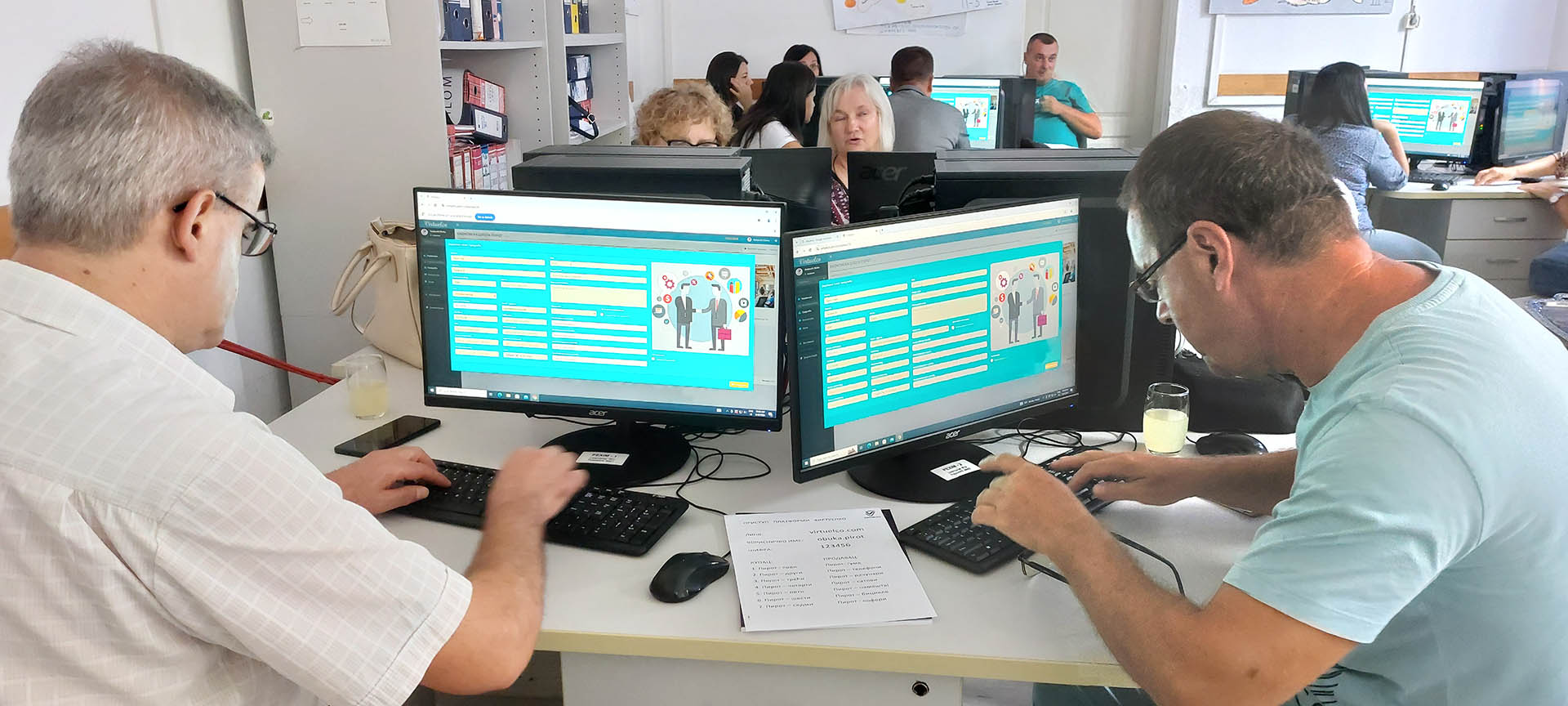
Working in Virtual Companies
Thanks to this platform, it is possible to establish and run a virtual company in a fully simulated environment. This is a safe space where you can experiment with ideas and learn about how a business operates – without any financial risk.
GALLERY
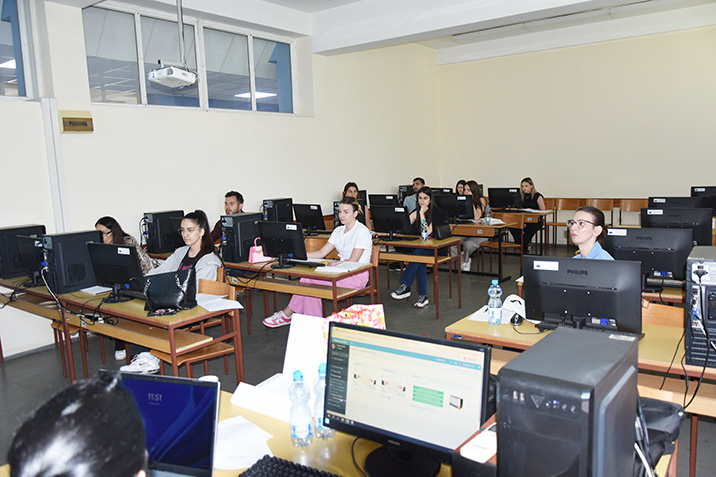
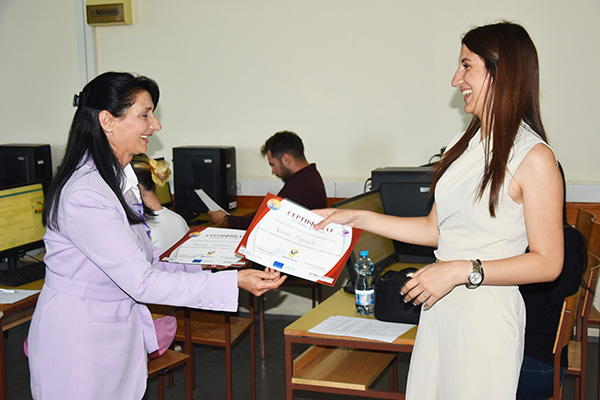
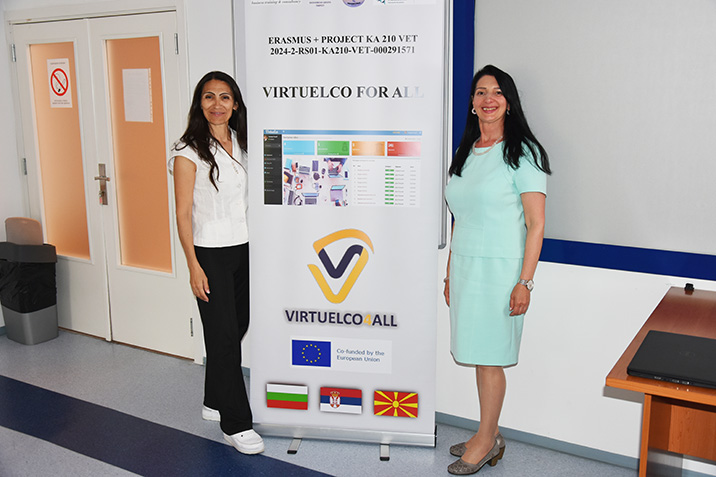
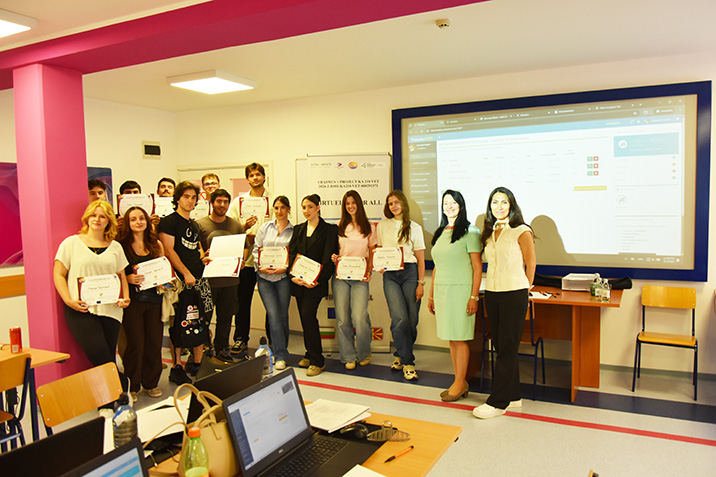
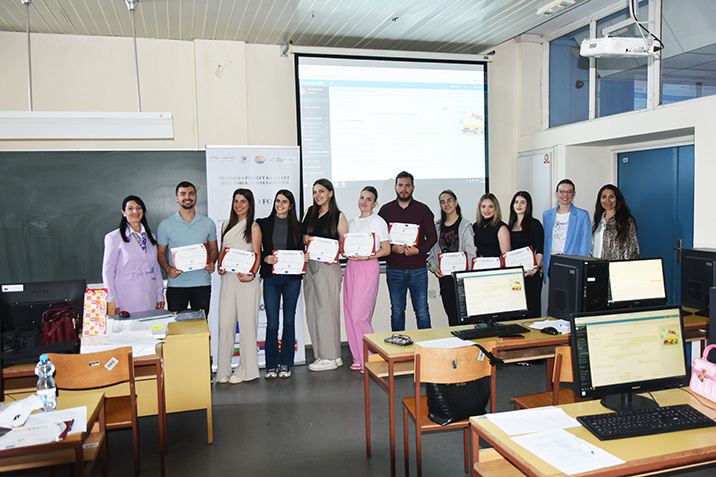
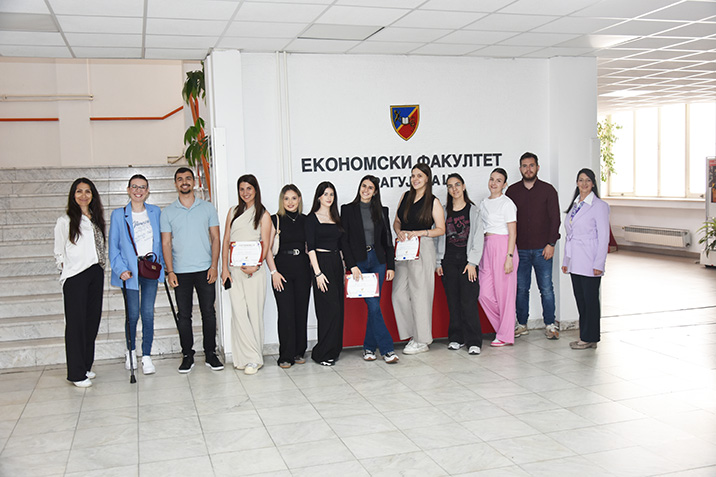
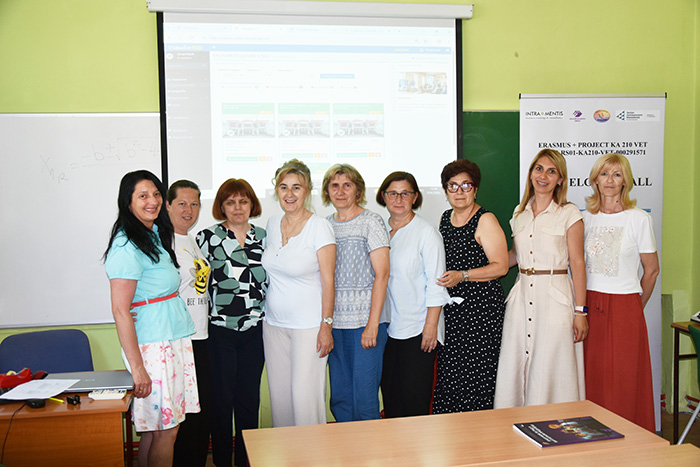
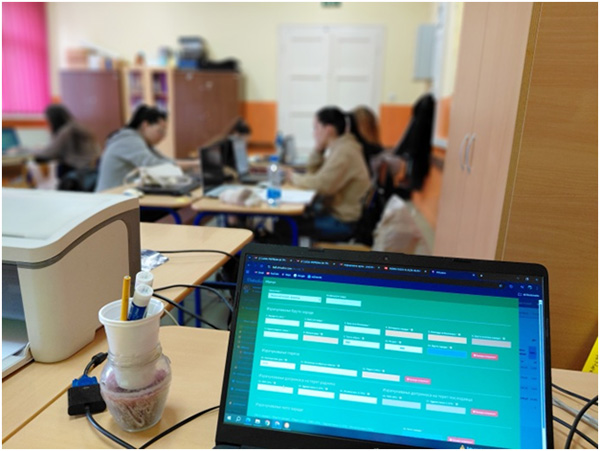
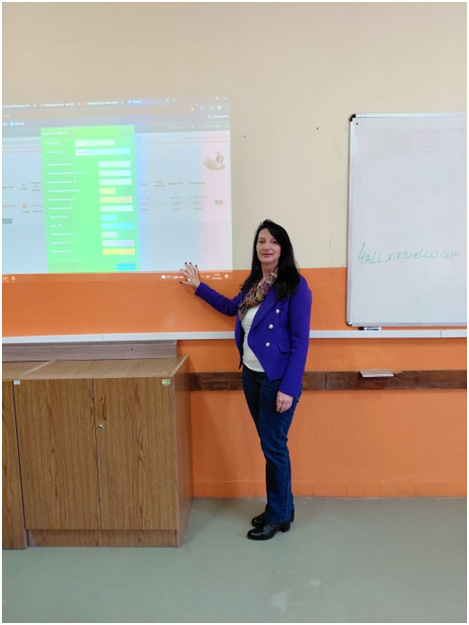
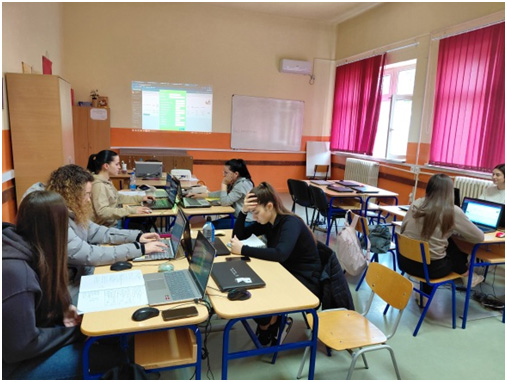
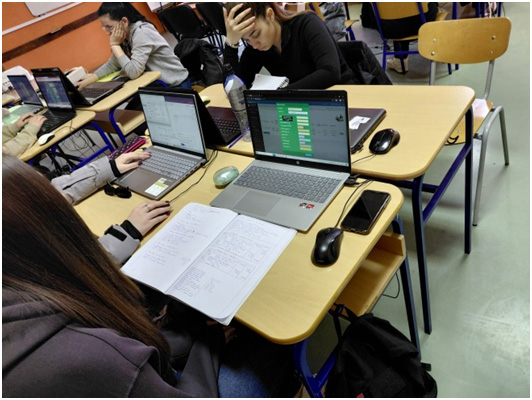
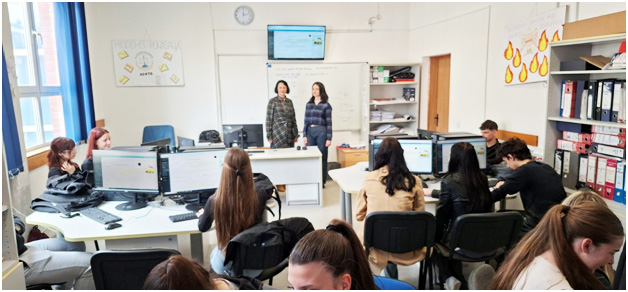
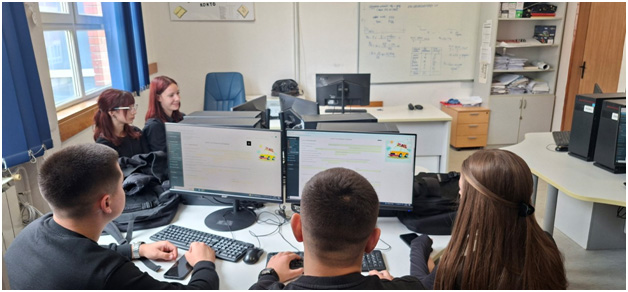
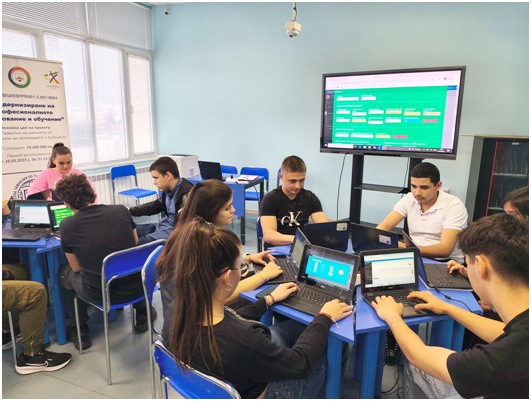
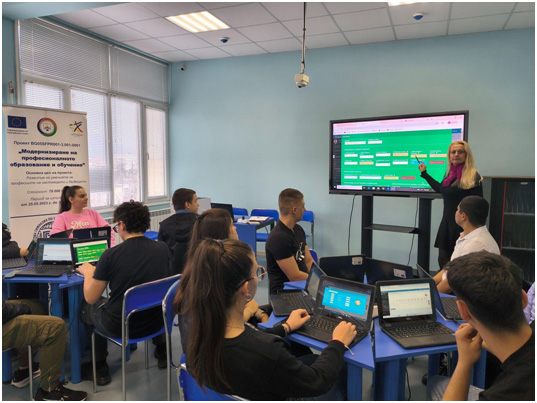
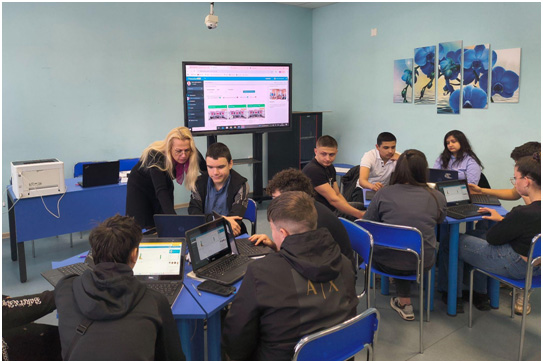
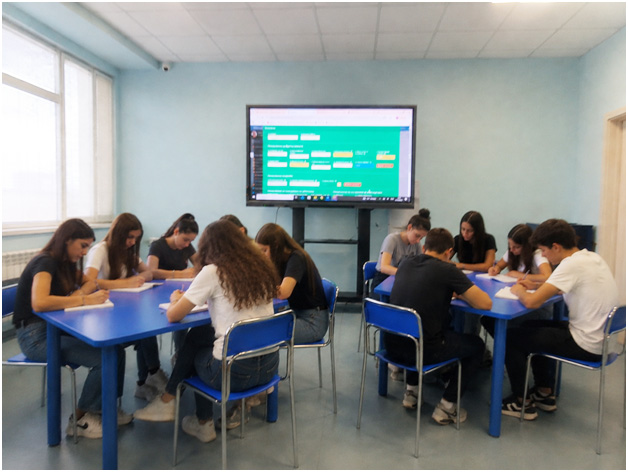
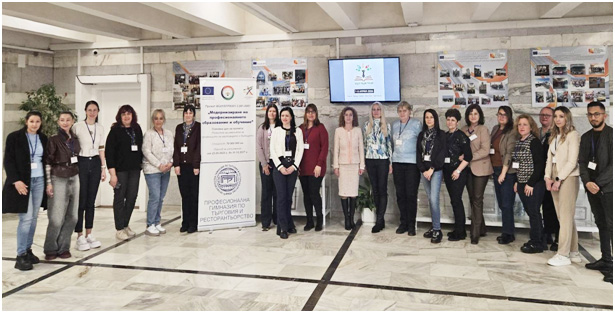
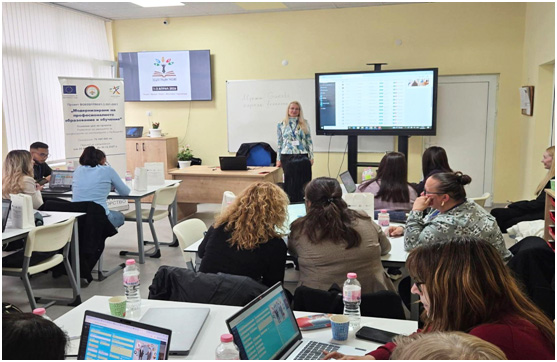
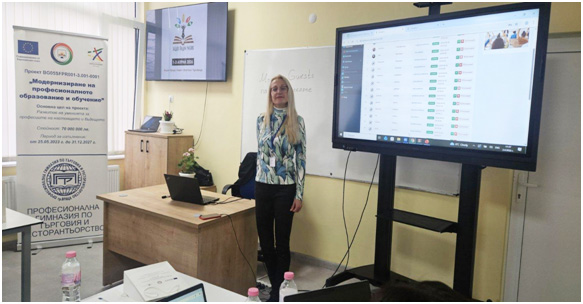
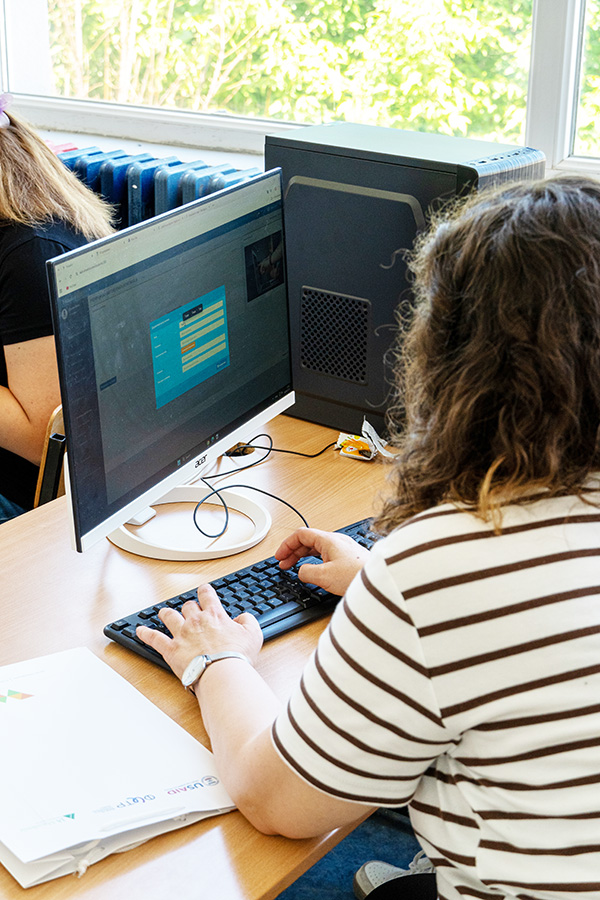
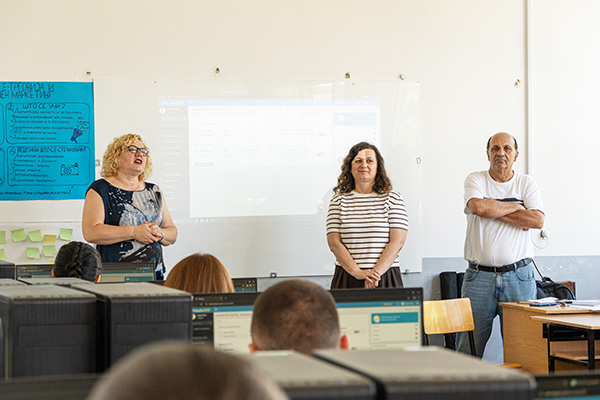
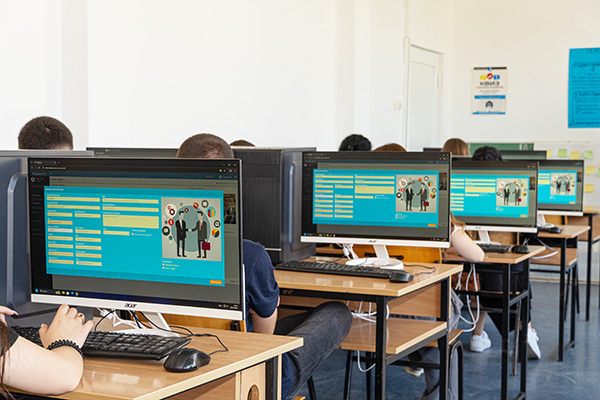
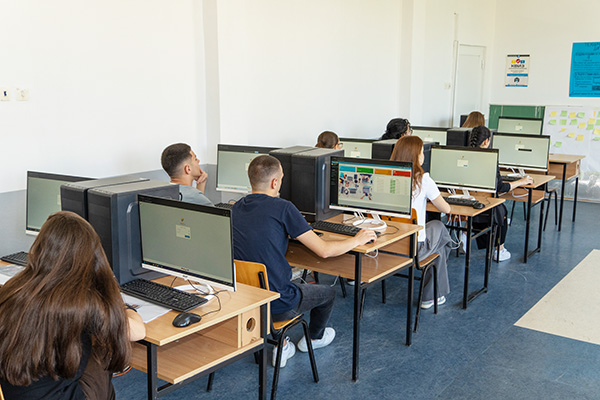
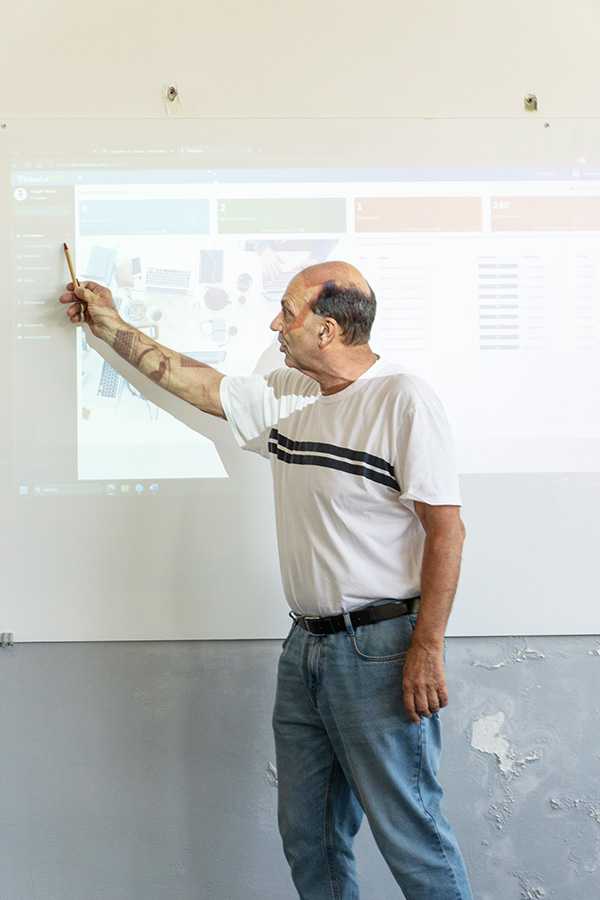
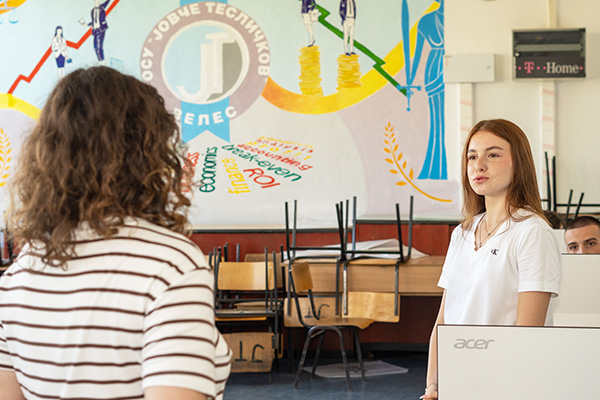
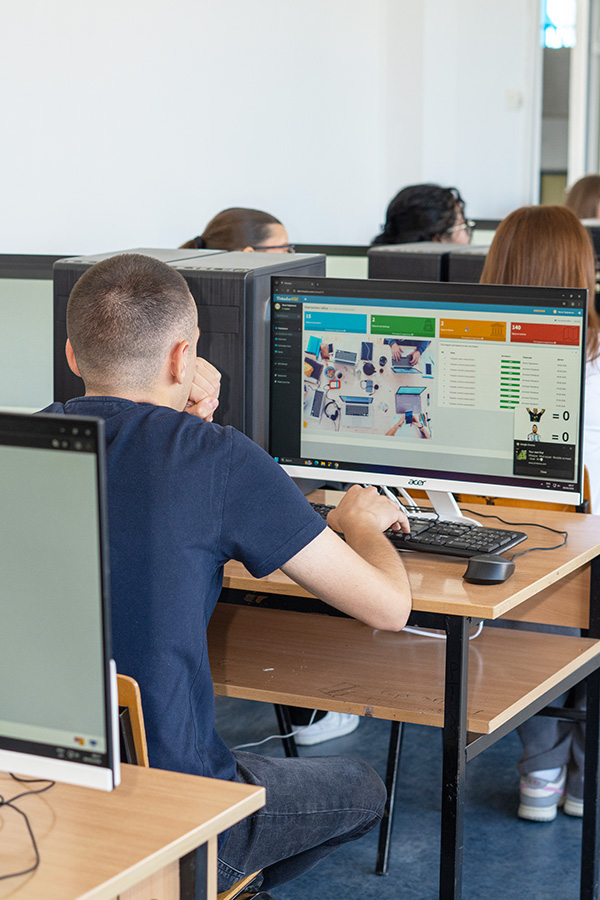
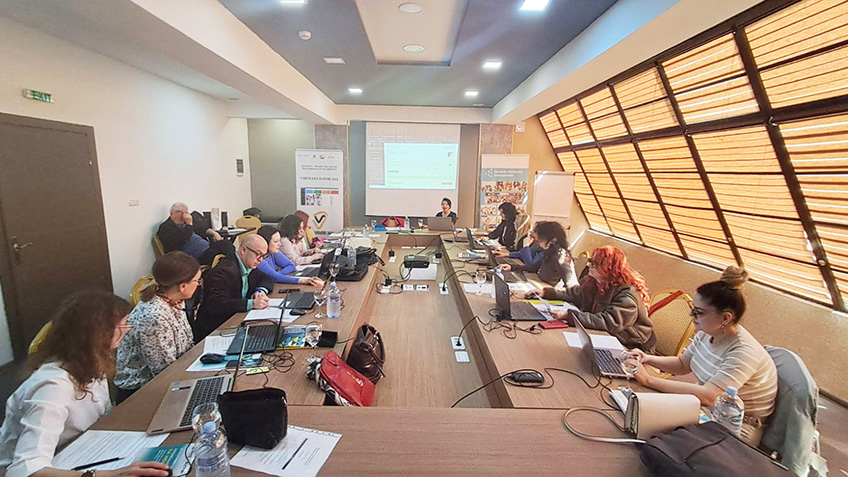
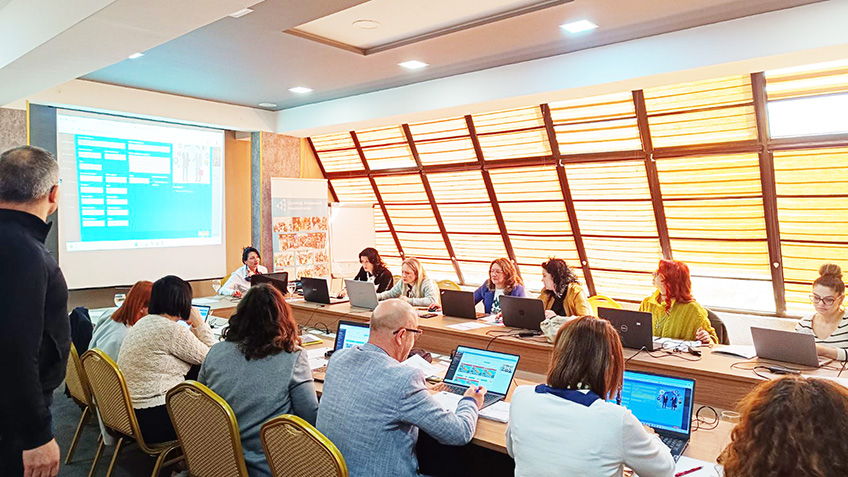
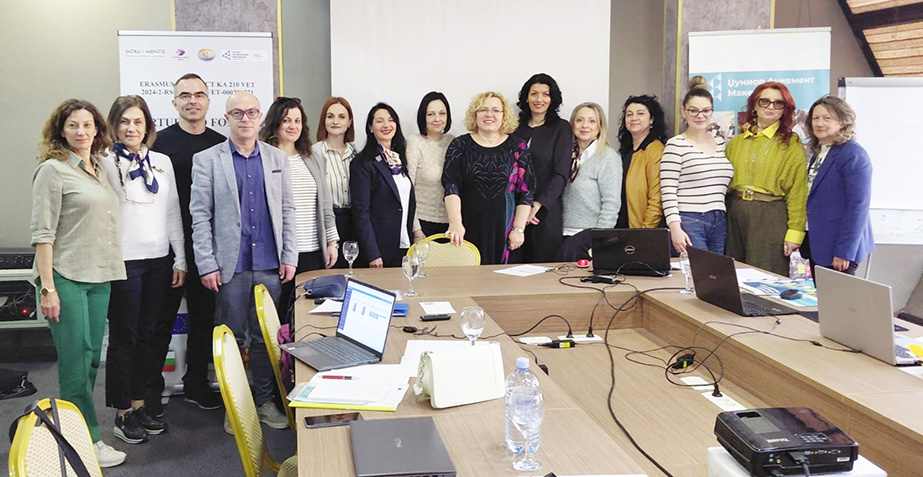
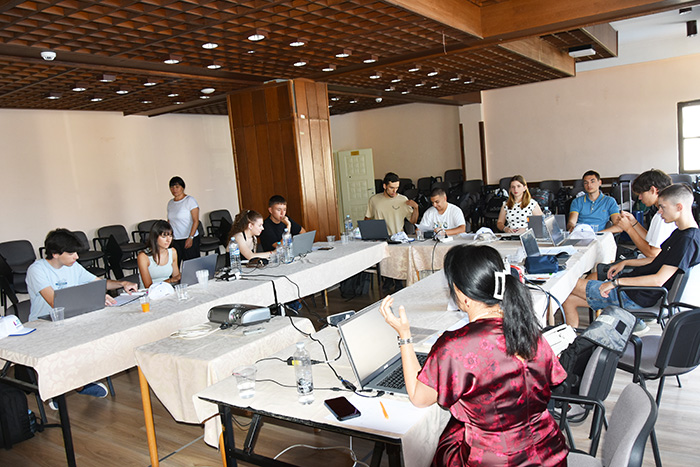
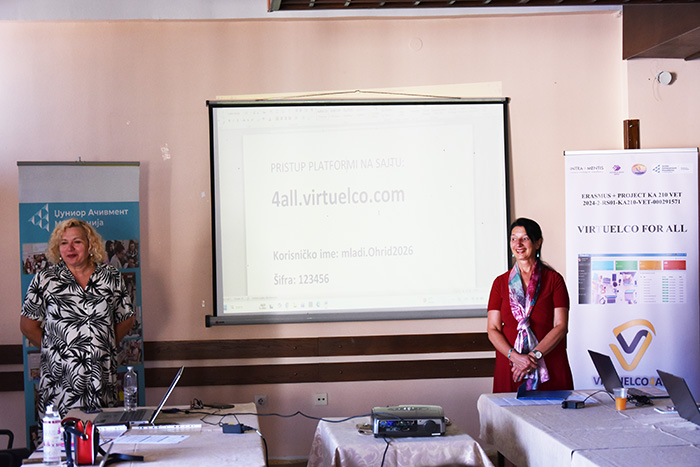
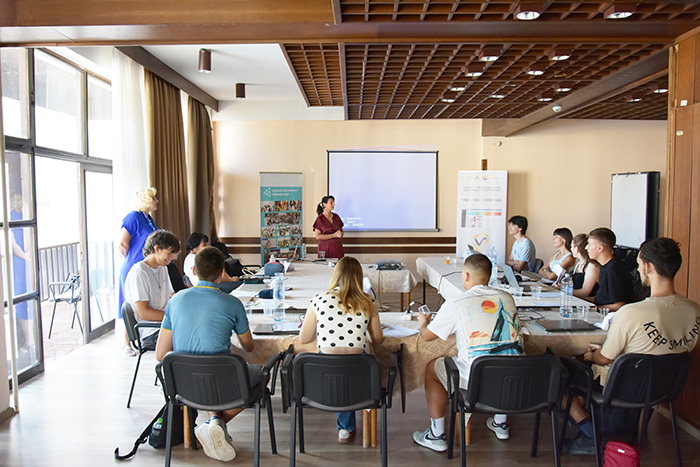
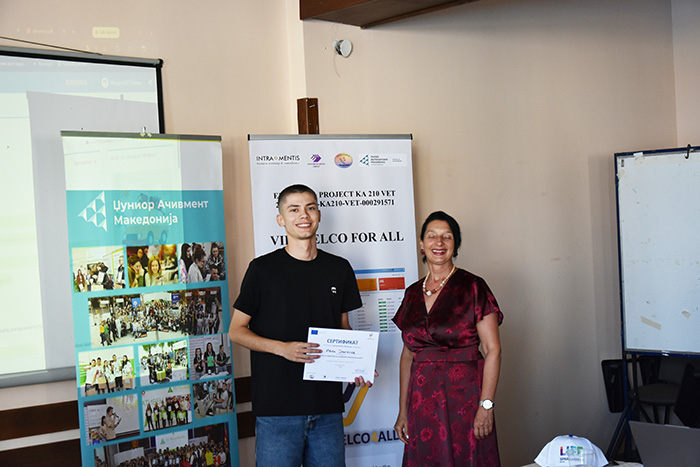
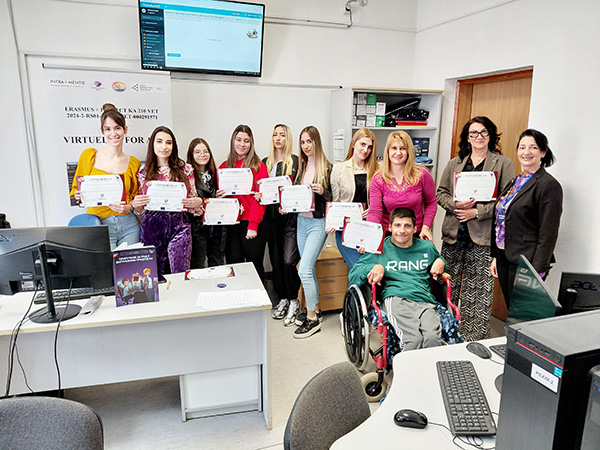
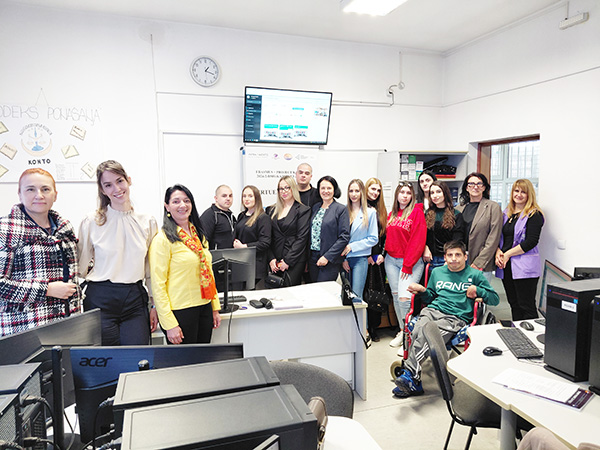
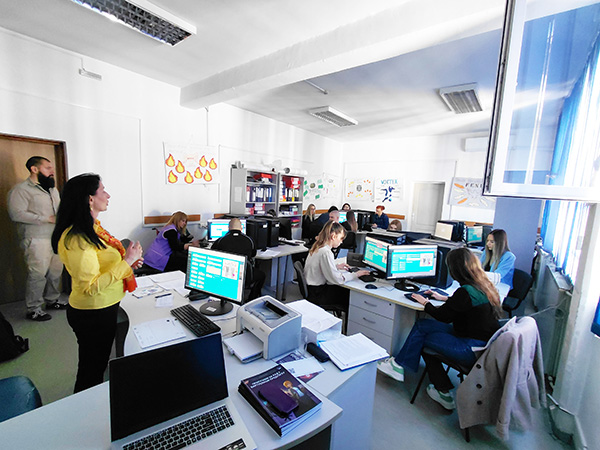
Photos taken during implementation and testing in Serbia and North Macedonia
- All
- Serbia
- North Macedonia

Team Members
Our team on this project has a total of 12 members from different countries
Serbia
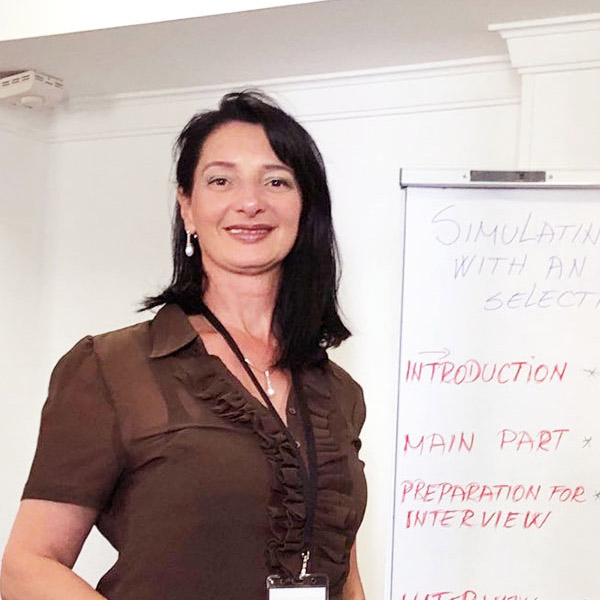
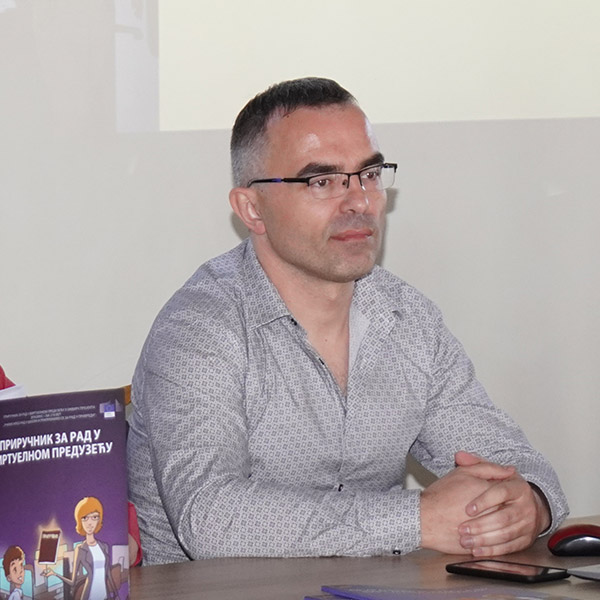
Dejan Petrović
DeveloperWorks as a teacher of computer science, IT, mathematics, and software tools in Velika Plana


Valentina Milanov
Project AssociateWorks as a teacher of IT and entrepreneurship in a vocational secondary school in Požarevac
Irena Stanković
Project AssociateWorks as a teacher of economics subjects at the Economics School Pirot

Ivana Milivojević
Project AssociateWorks at the Economics School Pirot as a teacher of economics subjects
North Macedonia

Bulgaria


FREQUENTLY ASKED QUESTIONS
How to access the Virtuelco platform
Users access the platform using a code they receive during training. The first step is to familiarize yourself with the platform's content, which is covered during training. It is important to create a school for teachers, which is done by the developer during the preparation phase, after which teachers add students and assign them access codes.
When will trainings for using the platform be organized?
Trainings for using the platform are organized in agreement with schools and interested colleagues, with the start of trainings planned for the end of October. Since the training is accredited, it carries 8 points of professional development for teachers in Serbia.
How much does platform access cost?
Platform access is free for teachers and will be enabled after completing the training for the platform.
Who conducts trainings and provides support to platform users?
The teachers conducting the trainings are Olivera Stošić, Dejan Petrović, Mirjana Đusić, and Valentina Milanov.